
I’ve never taken one of those tests that reveal your biological age, but I’m pretty sure the results wouldn’t be flattering. Chronic stress, short nights, and an endlessly accelerated pace of living aren’t exactly the friends of anti-aging or longevity. My lifestyle isn’t exactly unhealthy—I eat well, I exercise, and my only vice is an ongoing love affair with sweets—but sometimes I fall short in the category of emotional and mental balance.
Naturally, when I was invited to try hyperbaric oxygen therapy (also known as HBOT) at the new Le Capsule wellness space at the Brach Hotel in Madrid, I didn’t hesitate. After all, the therapy is super buzzy in the longevity and biohacking worlds, both of which prioritize slowing or counteracting aging through optimized habits and cutting-edge interventions.
What is hyperbaric oxygen therapy?
Despite the current hype, hyperbaric oxygen therapy is not new. It originated as a medical treatment for submariners and military personnel during World War I; Madrid’s Gómez Ulla Hospital still houses the Ministry of Defense’s leading Underwater and Hyperbaric Medicine unit. But its recent mainstream appeal is linked partly to athletes and celebrities showcasing its benefits—often on Instagram—and partly to the growing public fascination with living not only longer, but better.
“There is a growing demand for treatments that focus on longevity, recovery, and peak performance, and hyperbaric oxygen therapy naturally addresses these demands,” explains spa director Ana Jovanovic of Dubai’s Talise Spa at Jumeirah Marsa Al Arab, which also recently added hyperbaric oxygen therapy to its offerings. “People today are increasingly seeking evidence-based, results-driven therapies beyond holistic spa treatments to optimize health and vitality. Guests often describe leaving the chamber with a profound sense of calm, lightness, and enhanced mental clarity, making it both a rejuvenating and immersive wellness experience. And, because the therapy delivers enhanced oxygen to the bloodstream, it supports cellular repair, energy production, and overall vitality.”
What happens in a hyperbaric oxygen therapy session?
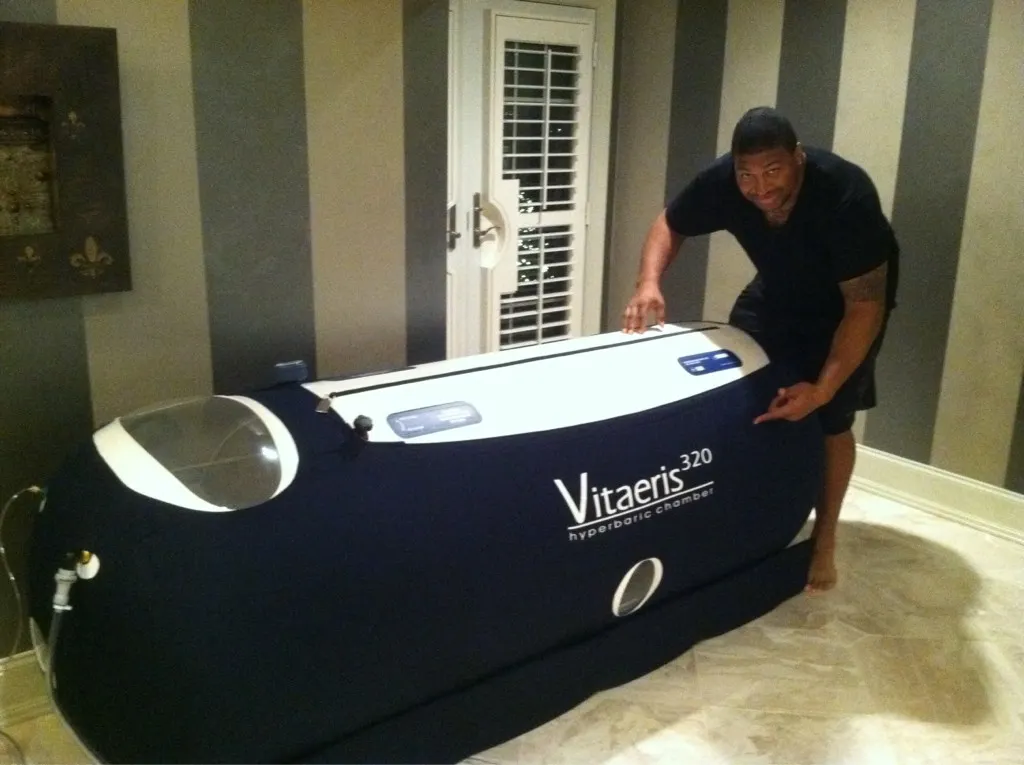
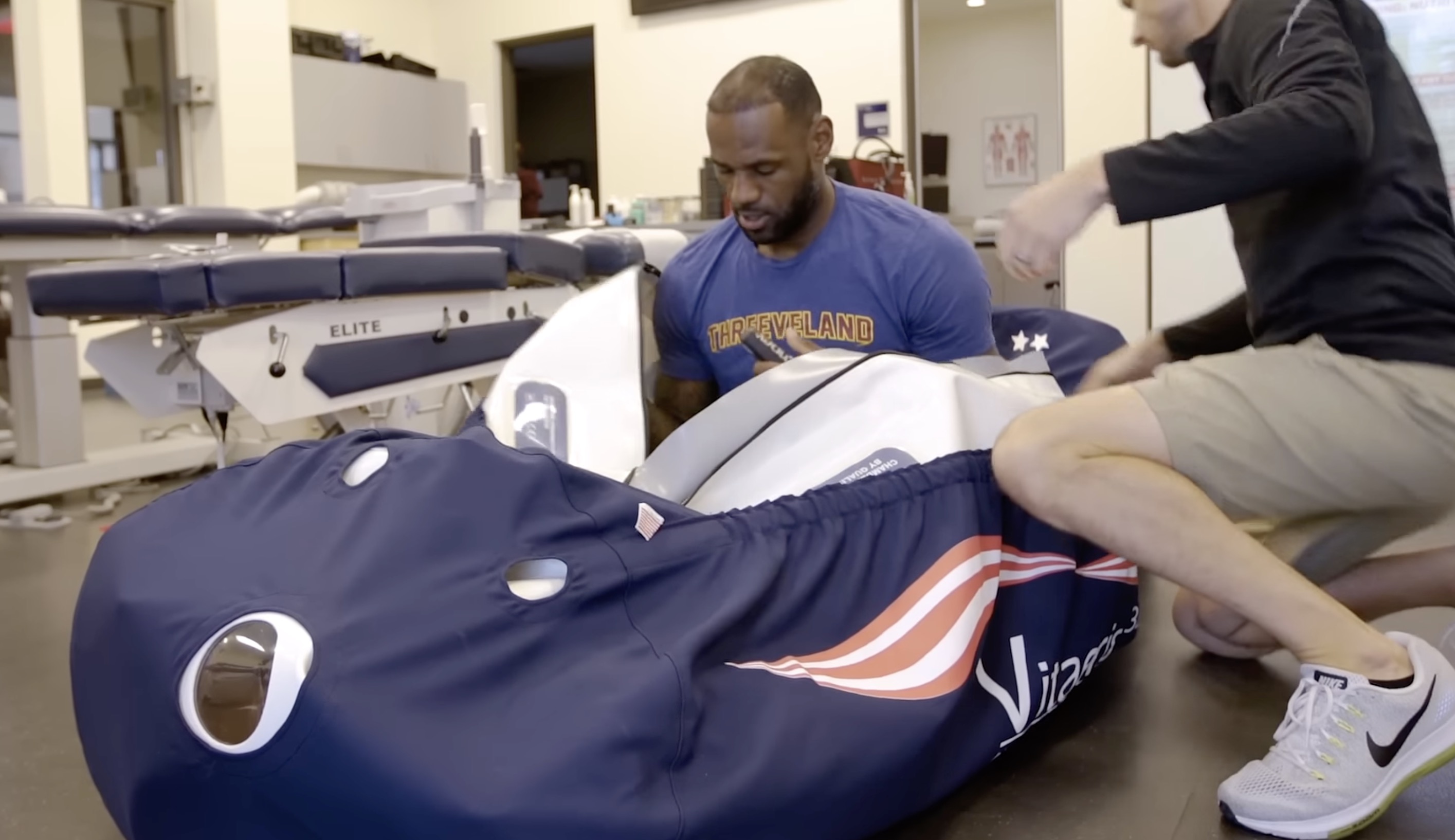
Even with enthusiasm, stepping toward the chamber gave me pause. I knew the science—breathing pure oxygen under pressure increases the amount of oxygen your blood can carry, which promotes healing, reduces inflammation, and boosts cellular energy production—and Jovanovic had described the chamber at Talise Spa as “a cocoon-like experience, where guests lie comfortably on a flatbed as the chamber gently pressurizes, producing a mild sensation in the ears similar to ascending in an airplane,” but the chamber itself, reminiscent of an old UVA tanning bed, was still intimidating. Once sealed, the capsule becomes airtight, which means you can lie inside but barely move. The idea of not being able to open it myself sparked a brief wave of unease.
A few reassuring words from the therapist eased that instantly. Hyperbaric oxygen therapy is not recommended for anyone who is truly claustrophobic for obvious reasons. However, those without clinical claustrophobia may simply need a moment to adjust. In my case, the built-in microphone—the lifeline to the therapist at any moment—was enough to calm me. Ultimately, the experience felt like a nap in a cool, oxygen-rich environment, with none of the panic I feared.
“Once the chamber reaches full pressure, guests breathe nearly pure oxygen, creating a deeply restorative environment. Sessions typically last 60 minutes, providing time to nap, meditate, or relax,” Jovanovic explains.
The benefits of hyperbaric oxygen therapy
According to Le Capsule, “oxygen accelerates the body’s healing processes and increases energy production by stimulating ATP generation.” During hyperbaric oxygen therapy, oxygen dissolves not only in the blood but also in the plasma. This allows it to reach compromised tissues more efficiently, reducing inflammation and speeding recovery. The combination of blood- and plasma-based transport enables higher oxygen saturation, particularly in areas such as the brain and heart, supporting neurovascular regeneration. Below a few more reasons to give it a try:
1. Reduces inflammation
“It offers notable anti-inflammatory effects, reducing swelling, joint pain, and post-exercise soreness, making it particularly appealing to active and wellness-focused guests,” Jovanovic says.
2. Promotes skin health
“The therapy also supports anti-aging by boosting collagen production, accelerating wound healing, and improving skin tone, complementing traditional beauty-focused spa treatments,” says Jovanovic.
3. Boosts immune system
“Additionally, HBOT supports immune function and aids in cellular detoxification, aligning with modern biohacking concepts,” says Jovanovic.
4. Reduces stress
“Finally, by improving oxygenation to the brain, it promotes relaxation, cognitive clarity, and stress recovery, making it a holistic wellness experience,” says Jovanovic.
How often should you do hyperbaric oxygen therapy?
All those stellar benefits, however, require consistency. Most protocols recommend two to five sessions per week, often over several weeks, before significant effects emerge. The long-term benefits—improved skin quality, sharper cognitive function, and a measurable slowing of certain aging processes—come only with regular practice. “The frequency of HBOT sessions depends on individual health goals,” Jovanovic notes. “For general wellness, most guests benefit from one to two sessions per week. Athletes or those seeking accelerated recovery can safely undergo daily sessions for one to two weeks, under professional guidance, to optimize results.”
That said, short-term effects can be felt fairly quickly: increased energy, enhanced healing, reduced pain, deeper sleep, less fatigue, improved endurance, lowered inflammation, reduced stress, and stabilized blood pressure. I can say that the night after my first session, I slept unusually well—though the Clarins facial I received beforehand may deserve some credit. Still, the pressurized oxygen clearly made a difference. And with consistency, the science suggests it could do much more.
Who should not try hyperbaric oxygen therapy?
As mentioned, anyone who suffers from claustrophobia—the treatment does require you spend a sustained amount of time in a small enclosed chamber, after all. It is also not advised for individuals with major illnesses such as cancer, heart disease, or uncontrolled blood pressure, as well as for pregnant individuals or those with serious respiratory conditions. “HBOT is suitable for wellness seekers, highly active individuals, those experiencing fatigue, and anyone seeking immune support, particularly after recovering from a respiratory illness,” Jovanovic adds. “However, it is not recommended for individuals with recent ear or sinus surgery, severe sinus infections, or chronic ear problems, as pressure changes may cause discomfort or injury.”